

Building immersive systems
Building immersive systems
The systems behind VUtopia are engineered for immersive applications where performance, spatial accuracy, reliability and real-world deployment all matter at the same time.
The foundational systems that support immersive performance, multiplayer logic and deployment-ready VR software.
Unity-based runtime architecture optimized for immersive applications where frame stability, responsiveness and visual consistency are essential.
Physical-to-virtual coordinate alignment enables natural room-scale and arena-scale movement without relying on artificial locomotion.
Host-authoritative multiplayer systems built for synchronized interactions, fast state updates and reliable real-time shared experiences.
Engineering decisions are guided by frame-time budgets, device limitations and deployment realities from the beginning.
Technology architecture is adaptable across entertainment, education, training and individual-use immersive applications.
Applications are engineered for stable runtime behavior during public sessions, training use cases and extended immersive operation.
The runtime, development and deployment technologies that shape our immersive software systems.
Unity Engine
Meta XR SDK
OpenXR
Photon Fusion
URP Rendering Pipeline
C# Runtime
Spatial Mapping Systems
Standalone VR Optimization
Real-Time Multiplayer Simulation
Arena Scale Tracking
Performance Budget Systems
Cross Device XR Integration
The design philosophy that guides how our immersive systems are built, optimized and prepared for deployment.
Systems are engineered around strict frame-time budgets to maintain stable immersive experiences on standalone VR hardware.
Physical movement should map naturally into virtual environments, preserving presence and minimizing artificial motion design.
Applications are designed for stable operation in live environments such as training spaces, classrooms and immersive arenas.
Core systems are modular and extendable, allowing expansion into multiplayer applications, larger deployments and future feature growth.
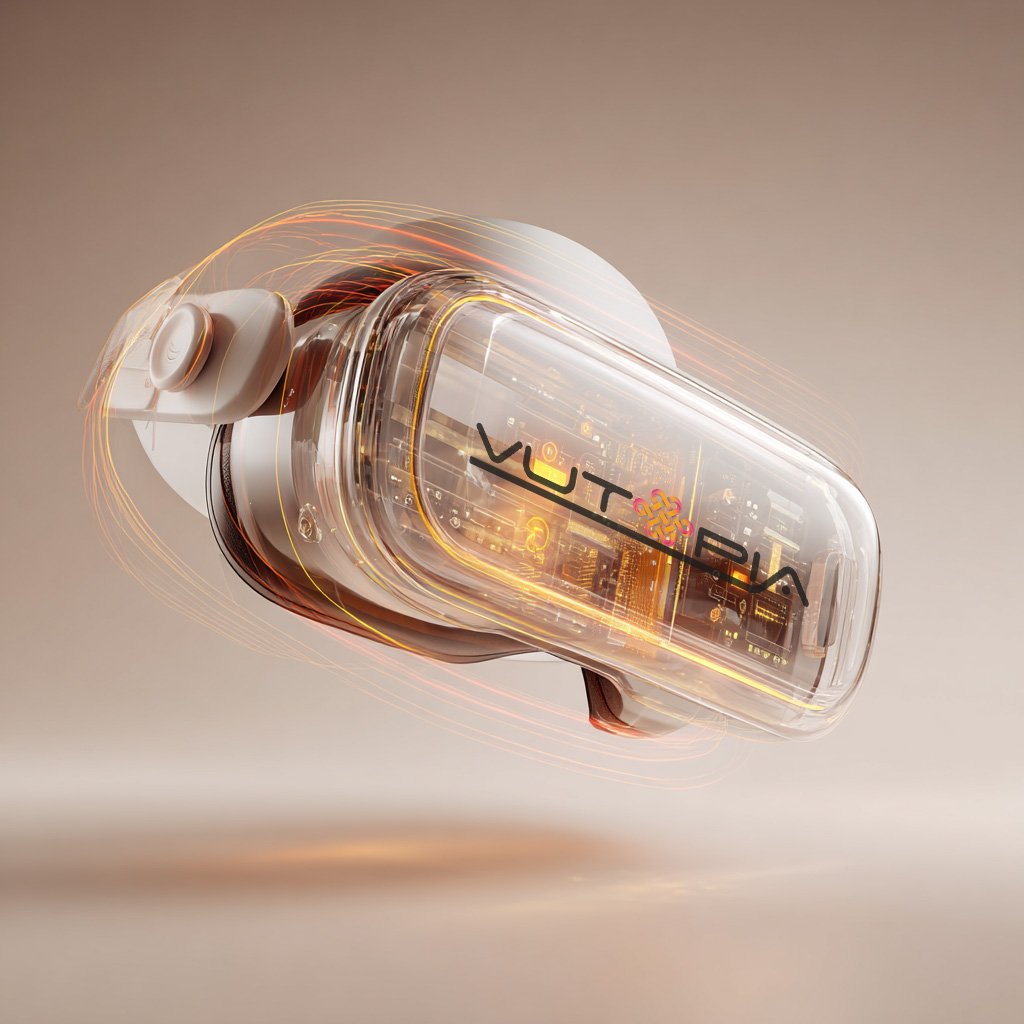
Applications are engineered specifically for standalone VR hardware with disciplined control over rendering, memory, lighting strategy and asset budgets.
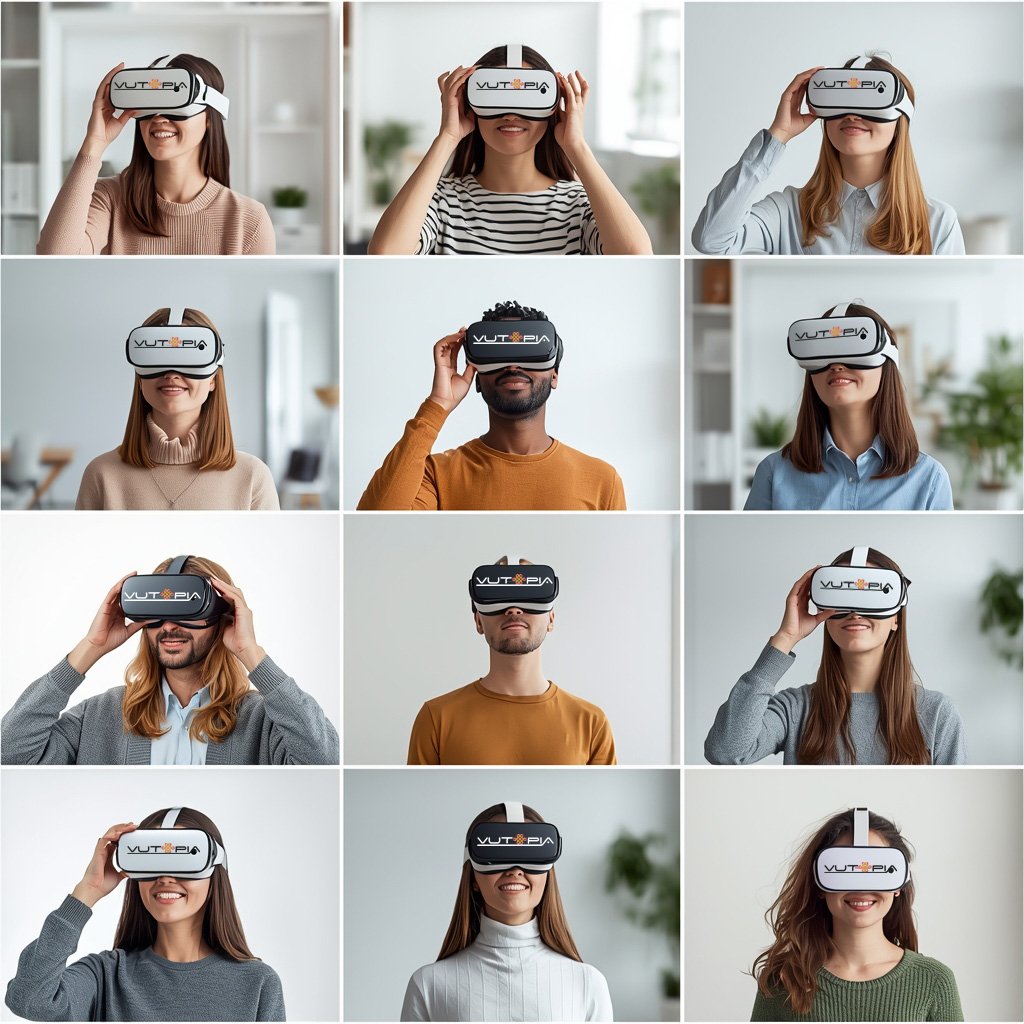
Networking systems enable multiple users to share synchronized virtual spaces with stable simulation, responsive interactions and reliable session flow.
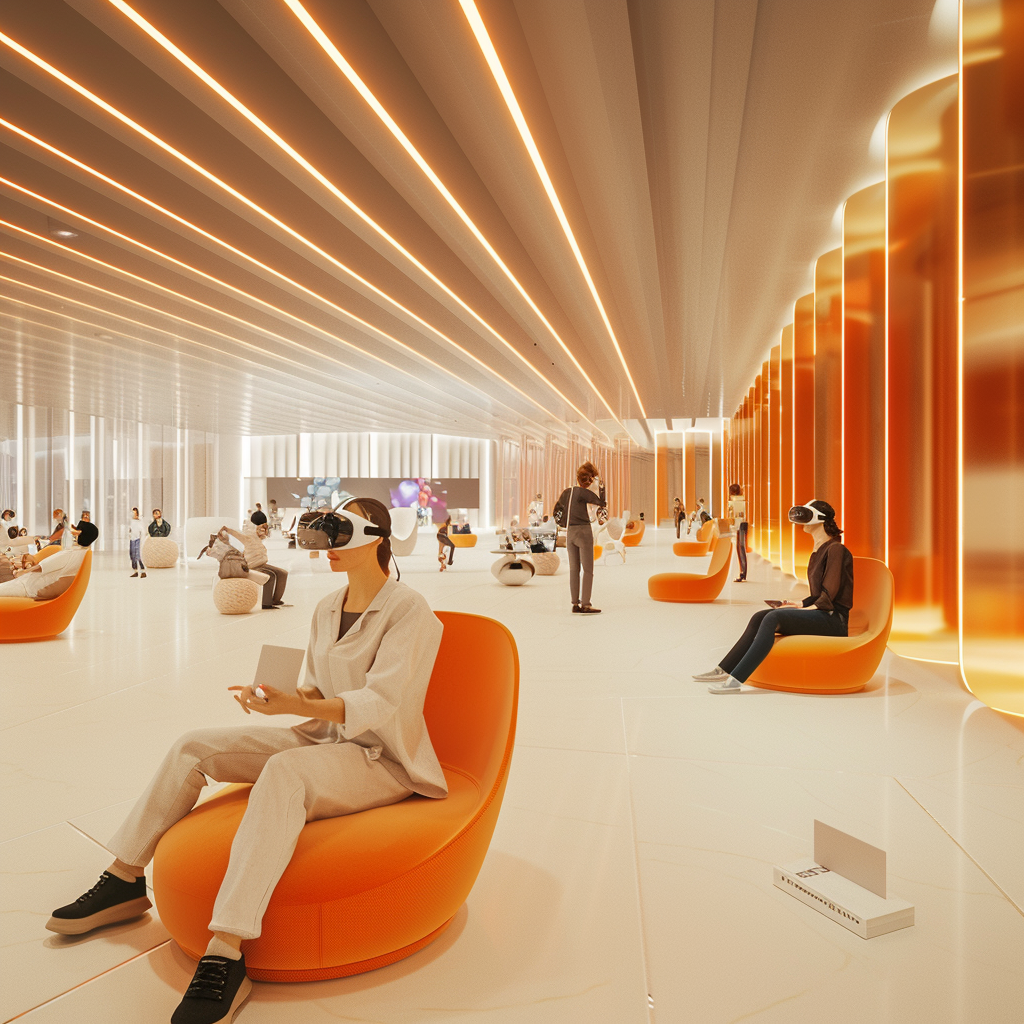
Technology is designed to operate reliably in practical environments including immersive entertainment spaces, training installations and learning environments.
A simplified view of how hardware, runtime, engine systems and applications connect within the VUtopia ecosystem.
Standalone VR devices and mapped physical environments
OpenXR and Meta XR SDK integration
Unity runtime, rendering and interaction systems
Photon Fusion multiplayer simulation and synchronization
Deployment-ready immersive experiences across real-world use cases
Discover how our immersive technology powers next-generation training, education and entertainment experiences.
Request Demonstration